Princes Going Bald: Can You Actually Prevent Hair Loss?

Male pattern hair loss does not care how famous you are, and the royal family is a fairly public demonstration of that. Prince William has been visibly balding for well over a decade, and Prince Harry’s hairline has been the subject of press comment for years. Neither of them appears to have done anything about it.
It makes a useful starting point for the question most people actually want answered: can hair loss be prevented, or is it simply going to happen?
Why hair loss runs in families
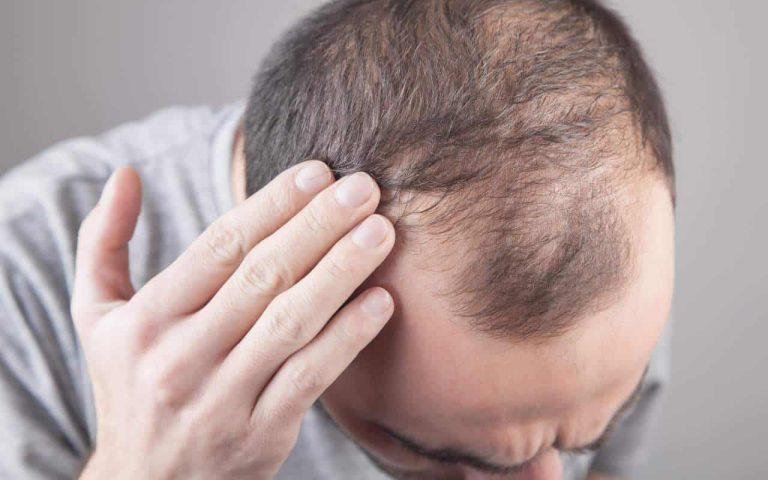
Male pattern baldness is inherited, and it is driven by how sensitive your hair follicles are to DHT, a hormone derived from testosterone. If your follicles are sensitive to it, DHT gradually shrinks them until they stop producing visible hair. If they are not, you keep your hair.
That sensitivity comes from your genes, which is why hair loss tends to follow family lines so closely, and why looking at your father, grandfathers and uncles tells you more about your own likely pattern than almost anything else. In the royal case the pattern is fairly plain across generations.
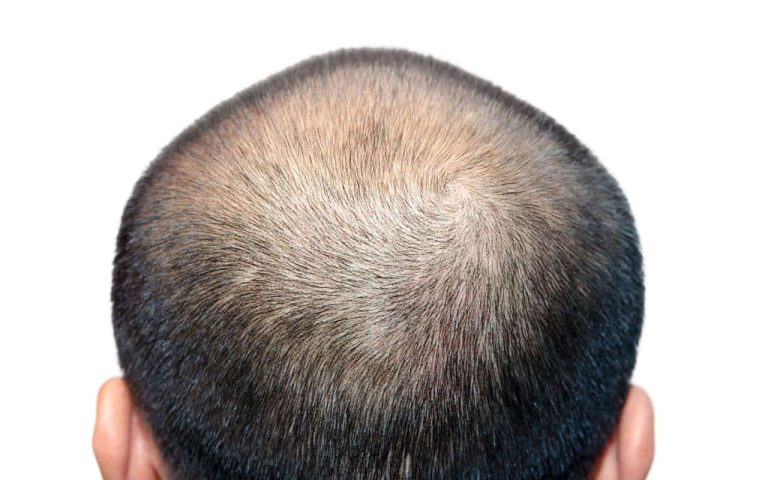
According to the NHS, male pattern baldness is the most common type of hair loss in men, typically beginning between the ages of 20 and 30 and affecting around half of men by the age of 50. It usually starts at the temples and moves back towards the crown, though it can begin at the crown instead, which produces the horseshoe shape rather than the receding front.
Can you actually prevent hair loss?
Honestly, no, not in the sense of stopping it happening at all. If you have inherited the sensitivity, the follicles will respond to DHT eventually. What you can do is slow it down considerably, and hold on to what you currently have for a lot longer, provided you start before it has gone.
That last point is the one that matters. Every option below protects existing hair. None of them regrows a follicle that has already died, which is why acting early is worth so much more than acting well.
Treatment that slows the loss
The NHS recognises two treatments for male pattern baldness: finasteride, a prescription-only tablet that blocks DHT, and minoxidil, a topical treatment available over the counter. Finasteride is the more effective of the two for pattern loss. They are not suitable for everyone and they are not something to buy unassessed off the internet, which is where a lot of people go wrong. We run a suitability check first, then supply through our clinics if it is appropriate.
Our non-surgical hair loss treatments start from around £25 a month. They suit someone who still has the hair and wants to keep it.
Hair transplants
A hair transplant is the option once hair has already gone. Follicles are taken from the back and sides of the head, which are not DHT sensitive, and moved into the areas that have thinned, where they carry on growing permanently.
Timing matters here too, though differently. A transplant is best done once the pattern of loss has settled, rather than while it is actively moving, because otherwise you restore the front and find the area behind it has thinned a few years later. Most procedures cost between £3,000 and £7,000 depending on graft numbers, with payment plans from £70 a month. You can see real before and after results from our clinics.
What is worth doing, and when
- If your hairline has not moved in years, it is probably a mature hairline rather than hair loss, and nothing needs doing. Comparing photographs a few years apart is the simplest test.
- If it is moving but you still have most of your hair, this is the point where treatment protects the most. Starting now costs less and achieves more than starting in five years.
- If you have already lost a good deal, non-surgical treatment will hold the rest, but bringing the hairline back means surgery.
- If you are in your early twenties and it has just started, get assessed but be wary of anyone rushing you into surgery. The pattern needs to settle first.
Find out where you actually stand
Most of the worry around hair loss comes from not knowing whether it is going to continue. A free assessment answers that. We measure your donor density, map the pattern of loss and tell you honestly what is happening and what is worth doing, including when the answer is nothing. Around 40% of the people we assess turn out to be suitable for surgery, and we say so when you are not.
Book a free video assessment, call us on 0800 043 0993, or send us a message.
See what your hair transplant could cost
A personalised price and suitability check, with no obligation.
Get A PriceDownload Our Price Guide NowOpens in WhatsApp