Male vs Female Hair Loss: The Real Differences

Hair loss is often talked about as a male problem. It is not. Around eight million women in the UK experience it, and while the underlying hormone is the same, almost everything else about it differs: where it shows, how fast, what causes it and what can be done.
The pattern
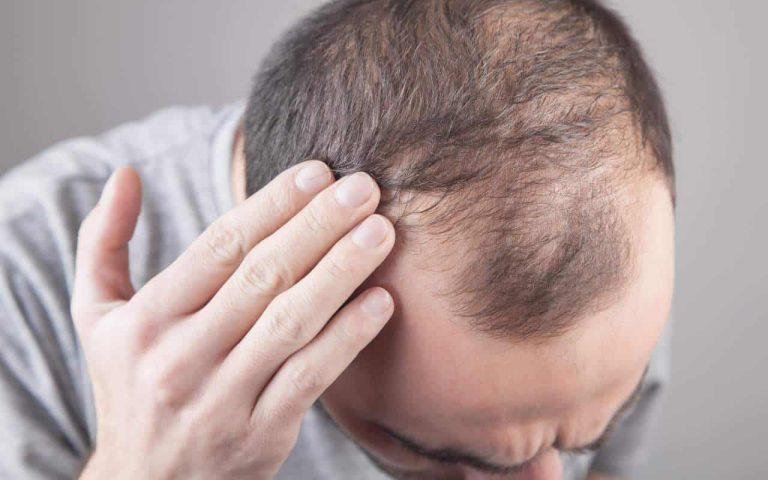
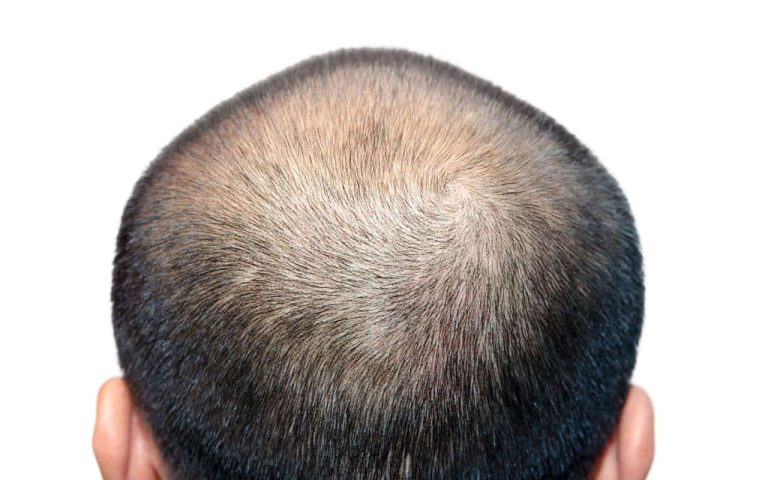
In men it is directional. The temples recede, the hairline moves back, and a separate thinning patch opens at the crown. Those two areas eventually meet, leaving hair only at the back and sides. It is graded on the Norwood scale, and because it produces genuinely bare skin it is obvious early.
In women it is diffuse. Density is lost across the whole top of the head while the hairline usually stays where it is, so instead of a bald patch you get a parting that keeps getting wider. It is graded on the Ludwig scale. Complete baldness is uncommon.
That difference has a practical consequence. Male loss is easy to spot and easy to grade. Female loss is often well advanced before anyone including the woman herself is certain it is happening, because thinning everywhere is much harder to see than a patch of nothing.
The cause
This is the biggest difference, and the one that changes what you should do next.
In men it is usually genetics, straightforwardly. Follicles sensitive to DHT gradually shrink until they stop producing usable hair. Occasionally something else is responsible, but pattern baldness is the safe first assumption.
In women it frequently is not just genetics. Thyroid disease, iron deficiency, polycystic ovary syndrome, pregnancy and the months after it, perimenopause and menopause, a heavy shed following illness or acute stress, and years of tight ponytails or extensions can all cause or contribute to it.
So the correct first step differs by sex. A man with a receding hairline can reasonably go straight to a clinic. A woman should see her GP first and have the medical causes ruled out, because several of them are treatable and the hair may come back on its own.
When it starts
Men can start losing hair in their early twenties, which is part of why it lands so hard. Female pattern loss more often becomes noticeable later, commonly around perimenopause, though it can begin much earlier.
What treatment is realistic
Both can be treated surgically, but suitability differs.
A transplant relies on taking DHT resistant hair from the back and sides. Men usually have a strong donor area even when the top has gone, which is what makes surgery so effective for them. In diffuse female thinning the donor area is frequently thinning too, which limits what can safely be taken. Women with a defined problem, a high or receding hairline, a wide parting, or loss from traction or scarring, tend to be the better candidates.
Technique differs as well. For women the method used is usually FUT, which has a success rate of around 97% and needs only the strip area trimmed rather than the whole head shaved.
Where surgery is not appropriate for either, non-surgical treatment from around £25 a month can slow further loss, with around 67% of suitable patients seeing visibly thicker hair.
Where to read more
We have covered each in its own right: female pattern baldness, the signs and causes, and the Norwood scale and hairline types for men.
To find out where you stand, book a free video assessment. Around four in ten of the people we assess turn out to be suitable for surgery, and we will tell you honestly if you are not.
See what your hair transplant could cost
A personalised price and suitability check, with no obligation.
Get A PriceDownload Our Price Guide NowOpens in WhatsApp