Hair Transplant Information: A Complete Beginner’s Guide
If you are looking into a hair transplant for the first time, this covers the whole thing: what the procedure actually is, the two techniques used, what the day involves, how long the results take and what it costs.
What a hair transplant actually is
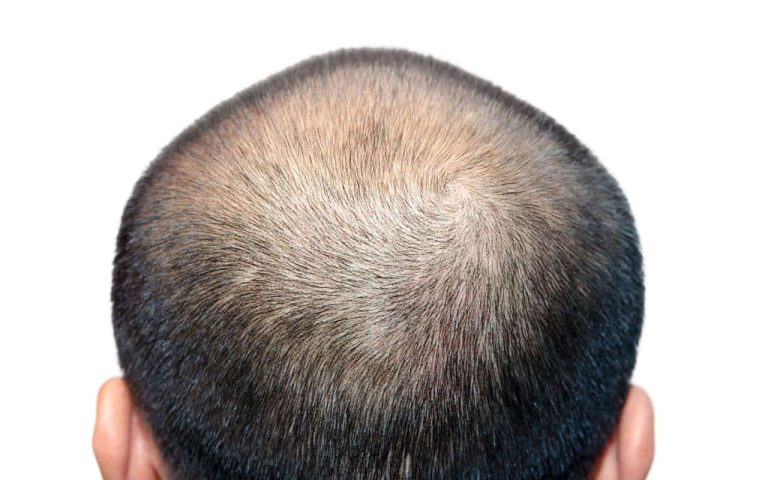
A hair transplant moves hair from an area unaffected by hair loss into an area that has thinned or gone bald. The hair at the back and sides of the head is not sensitive to DHT, the hormone that causes male pattern hair loss, so when those follicles are moved they carry on growing permanently in their new position.
The important consequence of that is worth stating plainly: a transplant moves hair, it does not create it. Your donor area is finite. That is why the number of grafts available, and how far your hair loss is likely to progress, matter more than almost anything else when deciding whether surgery makes sense.
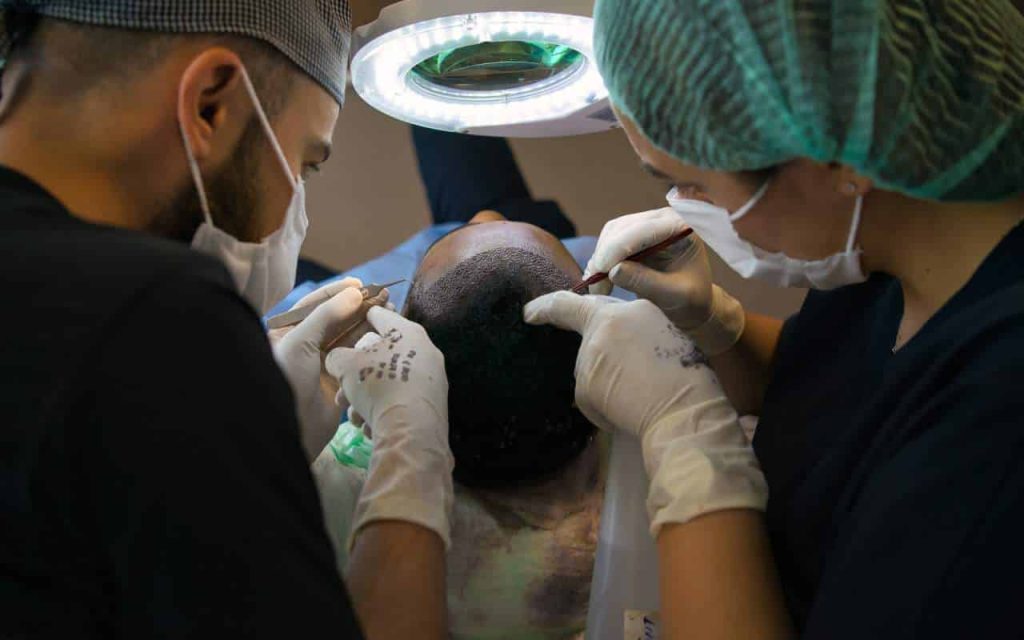
It is carried out as day surgery under local anaesthetic, at a specialist clinic rather than a hospital, so you may need to travel. You will not be able to drive afterwards, so arrange a lift or accommodation. Every case is different, because the amount of hair to be moved differs with every degree of hair loss.
Body hair can technically be used, but it produces noticeably poorer results than scalp hair and is generally avoided.
The two techniques: FUT and FUE
Follicular unit transplantation (FUT, or strip method)
- A strip of hair-bearing skin is removed from the back and sides of the head
- It is divided under a microscope into individual grafts, each containing roughly two hairs
- The grafts are placed into tiny incisions made in the scalp
- The wound at the back is closed with stitches, leaving a fine linear scar
- The head does not need shaving, only the strip area is trimmed
Follicular unit extraction (FUE)
- The head is usually shaved
- A punch device removes individual grafts one at a time
- The grafts are placed into tiny incisions in the same way
- It leaves small dot scars rather than a line
Neither is better in the abstract. FUT can yield more grafts in a single session, which matters for larger cases, and is slightly cheaper because it is less labour intensive. FUE avoids the linear scar, which matters if you wear your hair very short. Which one suits you comes out of the assessment, and recovery time is the same either way.
Recovery and when you see results
Avoid anything strenuous for around two weeks while the grafts secure themselves. The transplanted hair then sheds between two and eight weeks, which alarms people every time and is entirely normal: the follicle stays, the visible hair regrows.
Most people see a real change at six months. The finished result is judged at twelve to eighteen months, which is why we review patients across that whole period. Anyone expecting results in weeks will be disappointed. Our hair transplant aftercare guide covers the timeline in detail.
What it costs
The NHS does not fund hair transplants, as they are classed as cosmetic, so this is a private cost. Most procedures fall between £3,000 and £7,000, set by the number of grafts you need. Payment plans run from £70 a month over 12 to 60 months.
Prices advertised across the UK market vary far more widely than that, and a very low quote is worth interrogating rather than celebrating. The things that get cut to reach a headline price are the ones you cannot see on the day: who performs the surgery, whether the facility is CQC registered, what aftercare is included and whether there is a written guarantee. You can check any clinic on the CQC register yourself in a couple of minutes.
Our hair transplant costs page goes through this properly, and hair transplant finance covers the monthly options.
Is a hair transplant right for you?
Often it is not, and that is worth knowing before you get too far into it. Around 40% of the people we assess turn out to be suitable for surgery. For many of the rest, non-surgical treatment protects what is still there, and for some the honest answer is that no treatment will produce the result they are hoping for.
Age matters too. If the pattern of loss has not settled yet, restoring a hairline can leave you with a transplanted front and thinning behind it a few years later, with no donor hair left to fix it. A clinic that does not raise this with you is not one to trust.
The NHS guidance on hair transplants is worth reading before you book anything anywhere.
Get an assessment
A free video assessment gives you a graft count, an exact price and a straight answer on whether surgery is the right route, with no obligation. Book a free video assessment, see real before and after results, or call 0800 043 0993.
See what your hair transplant could cost
A personalised price and suitability check, with no obligation.
Get A PriceDownload Our Price Guide NowOpens in WhatsApp