Sun, Salt And Chlorine: Protecting Your Hair In Summer

Sun, salt water and chlorine are hard on hair. It is worth clearing up what they actually do, though, because the damage is real but it is not what most articles claim.
Sun damage affects the hair shaft, not the follicle. UV degrades the keratin and the protective outer cuticle, which is why hair goes dry, brittle, faded and frizzy after a fortnight abroad. It causes breakage, and breakage makes hair look thinner. It does not cause pattern hair loss, and no amount of sun exposure will make you go bald.
The distinction matters. If your hair is thinning at the parting or the temples, sun cream for your hair will not help, and treating it as a summer problem wastes time.
What the sun does to hair
- Breaks down keratin, weakening the shaft so it snaps more easily
- Strips the cuticle, leaving hair rough, dull and prone to tangling
- Fades colour, and coloured or bleached hair is already more porous so it suffers most
- Dries the scalp, which can leave it flaky and itchy
- Burns the scalp itself, particularly along a parting or on thinning areas, which is genuinely worth avoiding
That last point is the one to take seriously. A sunburnt scalp is painful, it can peel, and if you are thinning on top there is less hair shielding the skin. If you have had a hair transplant, the recipient area must be kept out of direct sun for several months.
Practical protection
- A hat is the single most effective thing. It protects the scalp as well as the hair, which nothing you put on the hair does.
- Rinse before you swim. Hair saturated with clean water absorbs less chlorine and salt.
- Rinse again straight after. Most pools have a shower beside them. Chlorine left to dry in the sun does the most damage.
- Use a conditioner or a mask after sun exposure to help the cuticle lie flat again.
- Ease off the heat. Sun-damaged hair plus straighteners is how split ends happen.
- Protect a parting or a thinning crown with sunscreen on the skin, or keep it covered.
If your hair is genuinely thinning
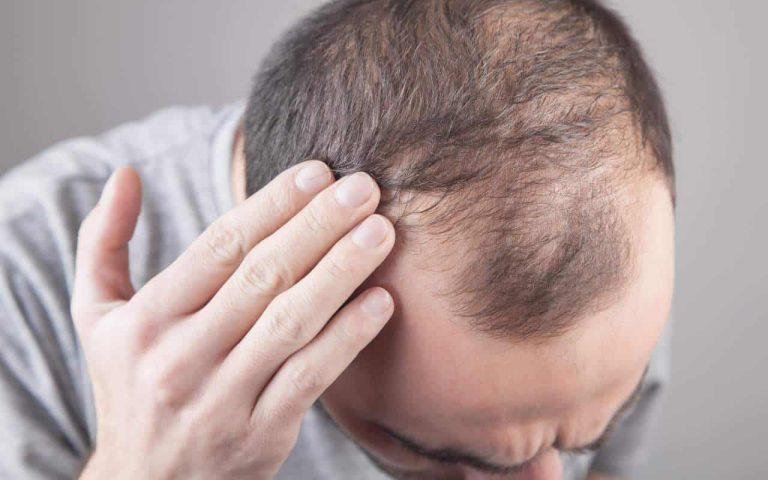
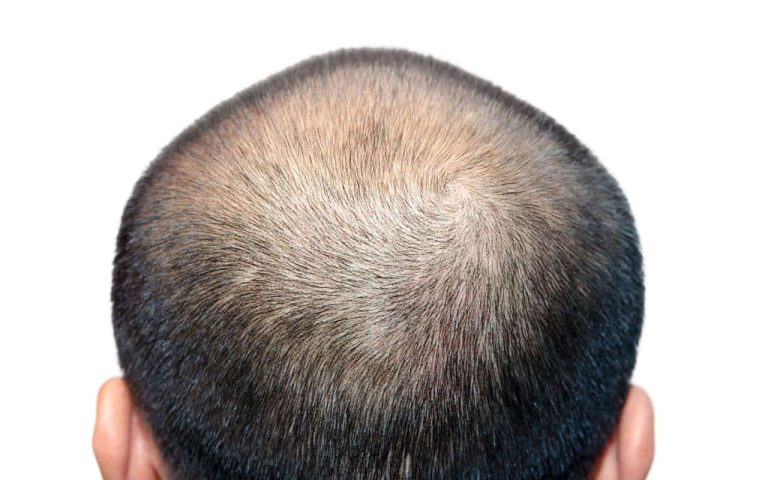
Seasonal shedding is a real thing and most people lose a little more hair in autumn. That settles. What does not settle is pattern hair loss, which is progressive and driven by DHT rather than by anything in your routine.
If you are seeing a widening parting, a receding hairline or thinning at the crown, that is worth looking at properly. Non-surgical treatment from around £25 a month can slow further loss, with around 67% of suitable patients seeing visibly thicker hair, and where hair has already gone a hair transplant is the only way to replace it.
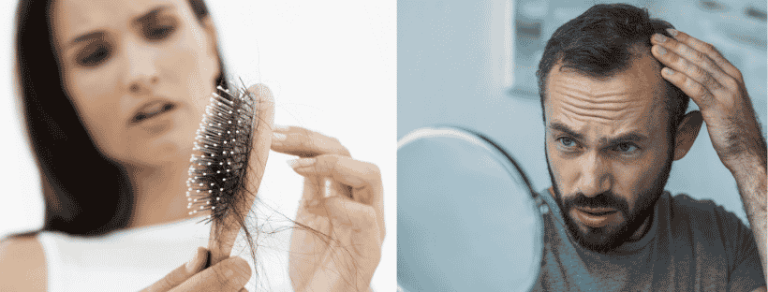
Sudden, patchy or unusually heavy shedding is worth a GP appointment first, since it often has a treatable medical cause.
To find out which you are dealing with, book a free video assessment.
See what your hair transplant could cost
A personalised price and suitability check, with no obligation.
Get A PriceDownload Our Price Guide NowOpens in WhatsApp