Does Brushing Your Hair Cause Or Prevent Hair Loss?
The hundred strokes a night rule has been handed down for generations. It does not prevent hair loss, and done with the wrong brush on the wrong hair it can cause a bit of it.
That said, normal brushing is not dangerous and you should not stop. Here is what actually matters.
Why brushing cannot prevent hair loss
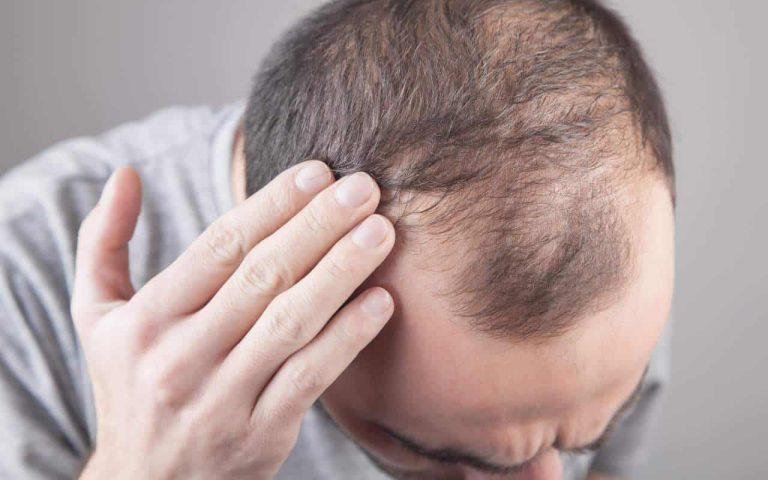
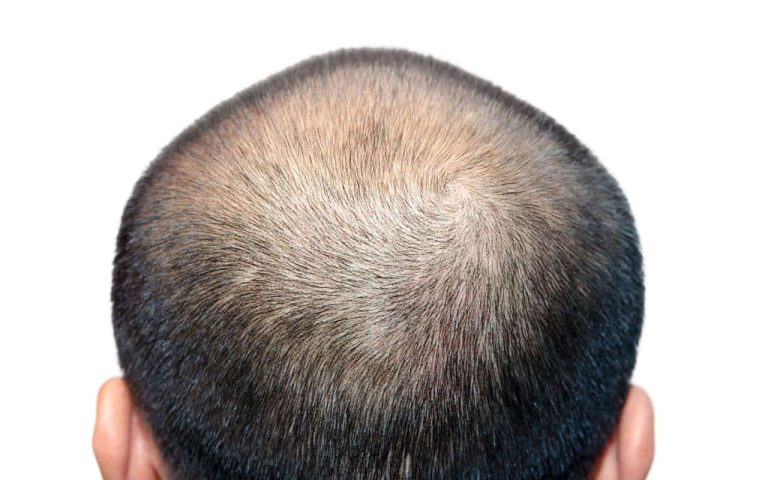
Male and female pattern hair loss happens below the surface. DHT gradually shrinks the follicle until it stops producing a usable hair. Nothing you do on the outside of your scalp changes what a follicle is doing underneath it.
The old theory was that brushing distributes the scalp’s natural oils and stimulates circulation. It does spread sebum down the hair shaft, which is why brushed hair looks glossier, and that is probably where the myth came from. Shinier is not the same as thicker, and neither is the same as growing.
When brushing does cause damage
Two different problems, and they get confused with each other.
Breakage is damage to the hair shaft. Aggressive brushing, dragging through knots and brushing wet hair all snap hairs partway along their length. The follicle is fine and the hair regrows, but in the meantime it looks thinner and feels rougher.
Traction alopecia is damage to the follicle itself, caused by sustained pulling. It is far more commonly caused by tight ponytails, buns, braids and extensions than by brushing, but repeatedly yanking a brush through knots applies the same kind of tension. Caught early it recovers. Left for years it can become permanent, because the follicle scars.
Traction alopecia typically shows first at the hairline and temples, which is exactly where pattern loss shows too, so it is worth having someone tell you which one you are looking at.
How to brush without doing harm
- Start at the ends and work upwards. Detangle the bottom few inches first, then move up. Starting at the roots drags every knot down the length of the hair.
- Straight hair is best brushed dry. Wet hair stretches and snaps more easily.
- Curly and coily hair is the opposite: detangle wet, with conditioner in, using fingers or a wide tooth comb.
- Use a wide toothed comb or a brush with flexible, widely spaced bristles. A cheap plastic one is often kinder than an expensive densely packed natural bristle brush, which grips more and pulls harder.
- If it hurts, stop. Pain is tension on the follicle, which is the thing you are trying to avoid.
- Do not brush to make hair look thicker. Backcombing in particular roughs up the cuticle and causes breakage.
Once or twice a day is plenty. There is no benefit in counting strokes.
What about the hair in the brush?
Losing somewhere between 50 and 100 hairs a day is normal, and brushing collects hairs that had already let go rather than pulling out healthy ones. A brush with hair in it is not evidence of a problem.
What is worth paying attention to is a change: noticeably more coming out than usual, hair coming out in clumps, or thinning you can see at the parting or temples. Sudden or patchy loss in particular is worth a GP appointment, because it often has a treatable medical cause.
What does help
If the thinning is pattern hair loss, the treatments with evidence behind them work on the follicle rather than the hair. Non-surgical treatment from around £25 a month can slow further loss, and around 67% of suitable patients see visibly thicker hair. Where the hair has already gone, a hair transplant is the only way to put it back.
To find out which category you are in, book a free video assessment. Around four in ten of the people we assess are suitable for surgery, and we will tell you plainly if you are not.
See what your hair transplant could cost
A personalised price and suitability check, with no obligation.
Get A PriceDownload Our Price Guide Now