Stem Cell Hair Restoration: Where It Has Actually Got To
Every few years stem cell hair restoration makes the news again, usually with a headline suggesting baldness is about to be cured. The idea behind it is genuinely exciting. The reality is that it has been about five years away for a very long time.
Here is what it actually is, where it has got to, and why you should be careful about anyone offering to sell it to you today.
What stem cell hair restoration would do
A conventional hair transplant moves follicles you already have. Hair is taken from the back and sides of the head, where it is not sensitive to the hormone that causes male pattern baldness, and placed where the hair has thinned. It works, and it lasts, but it does not create anything new. You are redistributing a fixed supply.
That fixed supply is the single biggest limitation in hair restoration. Someone with advanced hair loss and a thin donor area simply does not have enough hair to cover what they have lost, and no surgeon can conjure more.
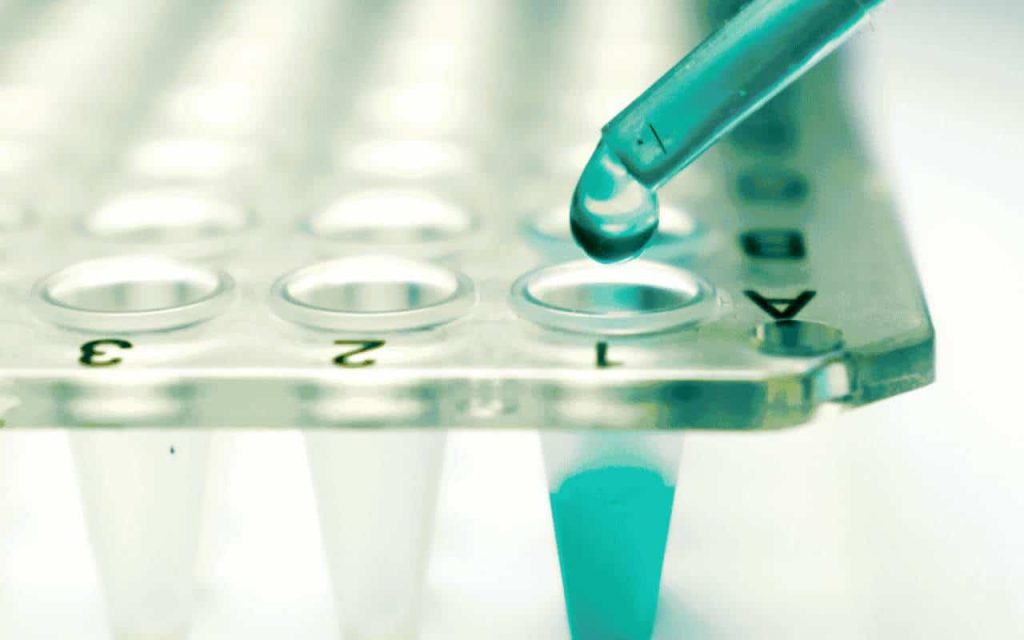
Stem cell research aims at exactly that problem. Rather than moving follicles, the goal is to grow new ones, cultured in a laboratory from a small sample of your own cells and then implanted. An effectively unlimited donor supply, from a biopsy rather than a strip of your scalp.
If it works, it changes who can be treated, not just how.
Why it keeps taking longer than expected
Growing a cell is not the hard part. Growing a hair follicle is.
A follicle is not a single tissue. It is a small organ, with several cell types arranged in a precise structure, sitting at a particular angle, connected to a blood supply, an oil gland and a tiny muscle. It also runs on a cycle, growing for years, resting, shedding and starting again. Recreating all of that reliably, in a dish, has proved considerably harder than the early headlines suggested.
Researchers have made real progress on the individual pieces, including using 3D printed moulds to give cultured cells the follicle shaped environment they need to organise themselves properly. Getting the whole thing to behave like a real follicle once implanted, in a human, consistently, and safely, is the step that keeps taking longer.
And it has to. Anything that involves implanting laboratory grown cells has to clear a high safety bar through proper clinical trials before it can be approved, and that process is measured in years. Rightly so.
Can you get it in the UK?
No. Stem cell hair restoration is not an approved treatment in the UK, and no reputable UK clinic will offer it to you as one. It remains research.
That matters, because you will find clinics elsewhere advertising stem cell hair treatments right now, often at a considerable price. What is generally being sold under that name is not laboratory grown follicles at all. It is usually an injection of some preparation derived from your own blood or fat, marketed with the word stem cell attached because the word sells.
If you are considering anything advertised this way, ask three questions before you pay:
- What exactly is being injected, and where did it come from?
- Which regulator has approved this specific treatment for hair loss?
- Where is the published evidence, in people, showing it regrows hair?
A clinic that cannot answer all three plainly is selling you a story. This is the same pattern we see with transplants sold abroad on price alone, and it ends the same way.
What actually works today
While the research continues, the treatments with real evidence behind them are the ones that have been around for a while:
- Hair transplant surgery, using Follicular Unit Extraction, which moves your own follicles permanently and is the only way to restore hair to a bald area
- Non-surgical treatment to slow further loss and support the hair you still have, from around £25 a month
- Scalp micropigmentation, which does not grow hair but creates the appearance of a closely shaved head, and works well for people whose donor area is too thin for surgery
None of them grow new follicles from nothing. All of them exist now, are regulated, and have decades of results behind them.
So is stem cell hair restoration the future?
Quite possibly, and it would be a genuine leap rather than an incremental one. But it is not a reason to delay dealing with hair loss that is happening now. Male pattern baldness is progressive, and the follicles you lose while waiting for a breakthrough are not sitting there waiting to be rescued by it.
If you want to know what can be done with the hair you have, book a free video assessment. It takes about fifteen minutes and you will get a straight answer, including if the answer is that surgery is not right for you.
See what your hair transplant could cost
A personalised price and suitability check, with no obligation.
Get A PriceDownload Our Price Guide Now