Hair Transplant Areas: Hairline, Front, Crown And Thinning
“What type of hair transplant do I need?” usually means one of two different questions. One is about method, meaning FUE or FUT, which is about how the follicles are taken from the donor area. The other is about area, meaning which part of your head is being treated.
This is the second one. The method is covered in our guide to the difference between FUE and FUT.
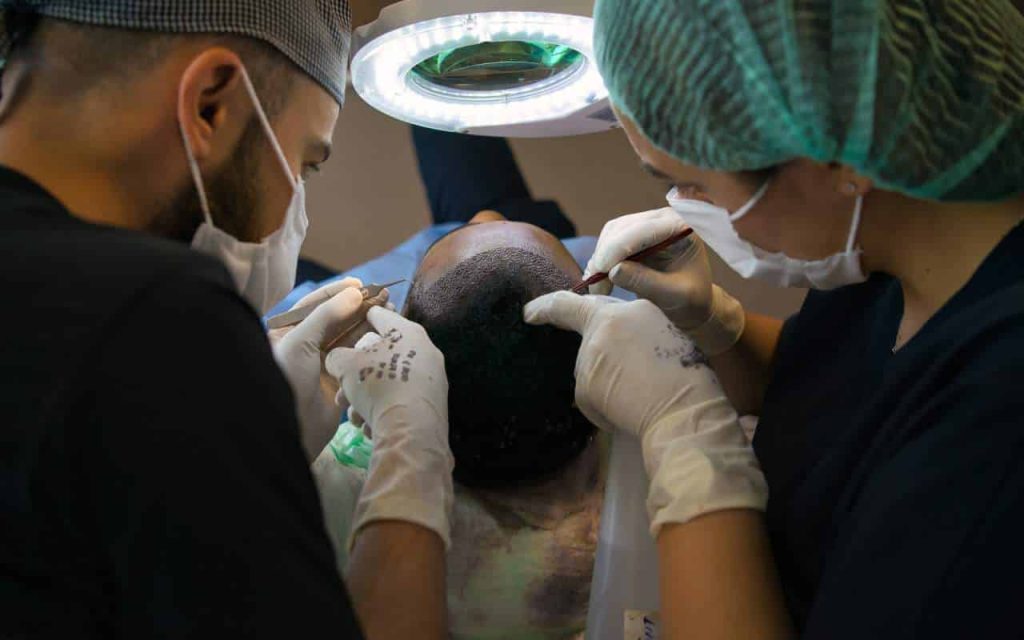
Every transplant works the same way underneath: healthy follicles are taken from the back and sides of your head, where the hair is not sensitive to the hormone that causes pattern baldness, and placed where the hair has thinned. What changes between the areas below is the size of the job, the difficulty, and how many grafts it takes.
Hairline
Rebuilding the hairline itself, where a receding front has left an uneven or high line, or where a pronounced widow’s peak has deepened.
This is the most exacting area on the head and the one that gives a transplant away when it is done badly. A natural hairline is not a straight line. It is slightly irregular, softer at the edges, with single-hair grafts at the front and denser units behind, and it sits at a height that suits your face and your age. Placing it too low or too straight looks impressive at first and increasingly wrong as the years pass.
It is also a common area for women, where a high or receding hairline shows most when the hair is pulled back.
Front
The same principle as hairline work but over a larger area, for when the hair has receded well back rather than just at the temples. Follicles are placed across the front section of the scalp to bring the hairline forward and rebuild density behind it.
More grafts are needed than for hairline work alone, so donor supply becomes a bigger part of the planning.
Crown
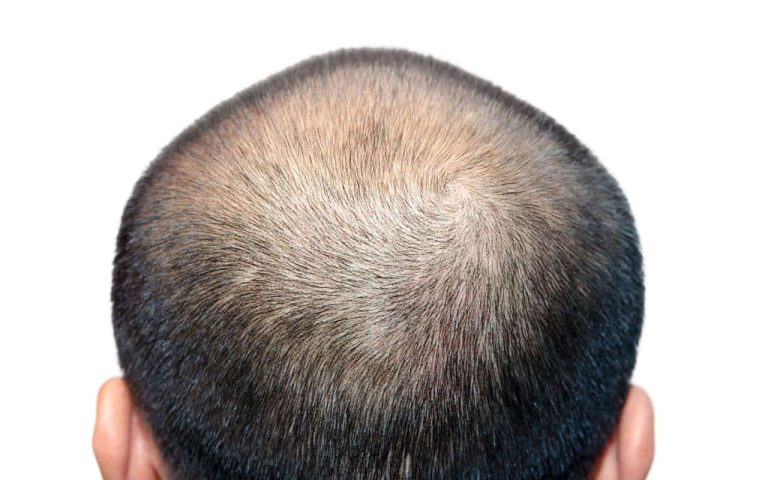
The crown is the swirl at the back of the head, and it is one of the first places pattern baldness shows.
It is deceptive. Because the hair grows outwards in a spiral from a single point, the grafts have to follow that pattern or the result looks flat and obviously placed. It also tends to need more grafts than people expect for the visual difference achieved, because you are covering a curved surface that catches the light.
For that reason a surgeon may advise treating the front and hairline first if your donor supply is limited, since that is the area you and everyone else actually sees.
General thinning
Diffuse thinning across the whole top of the head, rather than a defined bald patch, with the hair losing density everywhere at once.
This one needs the most careful assessment. If the thinning is still active, adding grafts between hairs that are themselves on the way out can mean a result that looks good briefly and then goes backwards. Treating the existing hair to slow the loss often has to come first, or alongside.
More about treating general thinning
Extensive loss across the whole head
Where hair loss covers most of the top of the head, the recipient area is far larger and the honest conversation is about arithmetic. Your donor area holds a fixed number of follicles, and it may not contain enough to cover everything at a density that looks natural.
In that situation the options are to treat the areas that matter most visually and accept less coverage elsewhere, to stage the work across more than one procedure, or in some cases to look at scalp micropigmentation instead, which creates the appearance of closely shaved hair and does not draw on donor supply at all.
A clinic that promises full coverage without discussing your donor supply is not doing the arithmetic.
Which do you need?
Usually a combination, and the balance depends on how much donor hair you have and where your loss is likely to go next rather than only where it is today.
You can see results across all of these areas in our before and after gallery. To find out what your own hair needs, book a free video assessment. Around four in ten people who come to us are told surgery is not right for them, so you will get a straight answer.
See what your hair transplant could cost
A personalised price and suitability check, with no obligation.
Get A PriceDownload Our Price Guide NowOpens in WhatsApp