The Best Foods for Hair Growth
Diet comes up in almost every consultation, usually as a version of the same question: can I eat my way out of this? The honest answer is that food matters, but not in the way most articles suggest. Here is what actually helps, and where it stops helping.
What diet can and cannot do
Hair is made almost entirely of protein, and the follicle is one of the fastest dividing tissues in the body. That makes it sensitive to what it is given. If you are short of iron, protein, vitamin D or zinc, hair is often one of the first places it shows, and correcting the shortage can make a real difference to how your hair grows.
What food cannot do is change your genetics. Male and female pattern hair loss happens because the follicle is sensitive to DHT, and no food changes that sensitivity. Male pattern baldness alone affects around 50% of men over 50, according to a British Association of Dermatologists report. Eating well supports the hair you still have. It does not bring back hair that has already gone.
So the useful way to think about it is this: a good diet removes one possible cause and gives everything else the best chance. It is not a treatment.
The nutrients that matter most
- Protein. Hair is keratin, a protein. Sustained low intake, including through aggressive dieting, is one of the more common non-genetic reasons for hair thinning.
- Iron. Low iron stores are a well recognised cause of hair shedding, and are more common in women, particularly with heavy periods.
- Vitamin D. Widely low in the UK over winter, and worth checking if you are shedding without an obvious cause.
- Zinc. Involved in the hair growth cycle and in scalp repair.
- B vitamins, including B12. Deficiency is more likely on a vegan or vegetarian diet without supplementation.
Notice what is not on that list: there is no nutrient that grows new hair in someone who is not short of it. Topping up something you already have enough of does nothing.
The foods worth eating
Oily fish
Salmon, mackerel, sardines and herring bring protein, vitamin D, B vitamins and omega-3 in one go, which is a rare combination. Two portions a week is the standard UK advice, one of them oily.
Eggs
An easy source of complete protein, plus zinc, selenium and biotin. Biotin gets marketed heavily for hair, but true biotin deficiency is rare in the UK, so eggs earn their place here on protein rather than on the biotin label.
Nuts and seeds
Walnuts, almonds, pumpkin and sunflower seeds are among the better plant sources of zinc, selenium and vitamin E, and they are useful if you eat little or no meat. A small handful is a portion, and that is genuinely enough.
Red meat, liver and beans
These are the iron foods. The iron in meat is absorbed more easily than the iron in plants, so if you are vegetarian or vegan, pair beans, lentils and fortified cereals with a source of vitamin C at the same meal, which improves how much you take up.
Fruit and berries
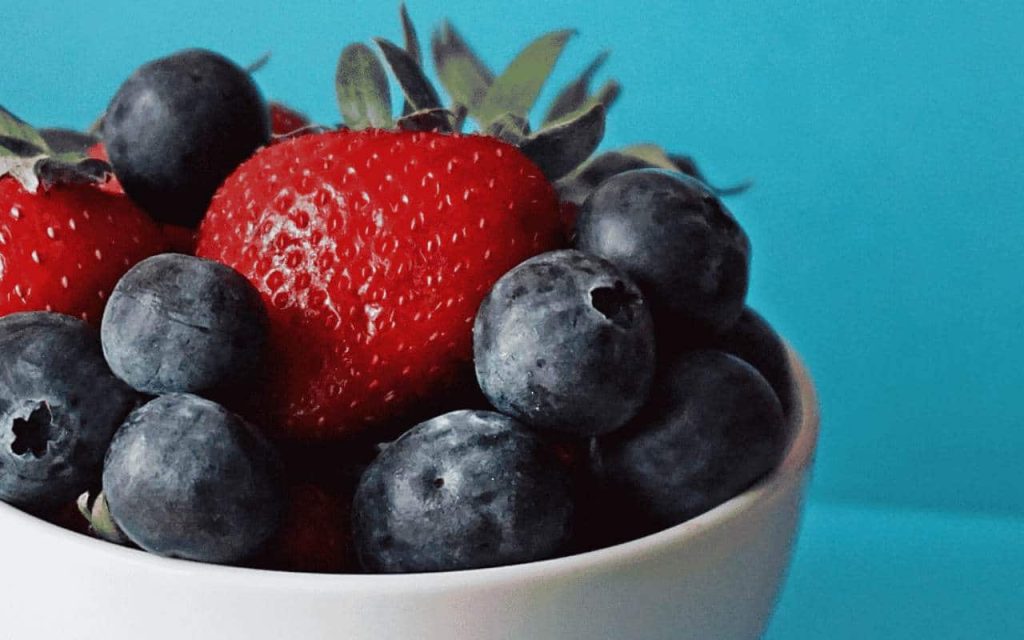
Strawberries, blueberries, oranges and kiwi supply vitamin C, which the body uses to make collagen and which helps it absorb iron from plant foods. That second point is the one that actually matters for hair.
Leafy greens
Spinach, kale, cabbage and watercress carry iron, folate and vitamin C together, which is a sensible combination. Greens are worth eating, though no vegetable is going to outrun genetics.
How to tell whether diet is your problem
The pattern tells you a lot. Diet related shedding tends to be diffuse: hair comes out more or less evenly all over, often a few months after the trigger, whether that was illness, a restrictive diet, pregnancy or a stressful stretch. It usually recovers once the cause is dealt with.
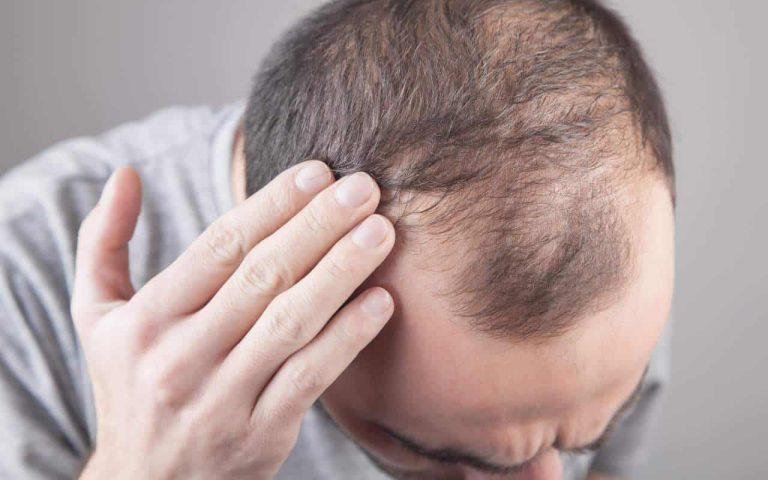
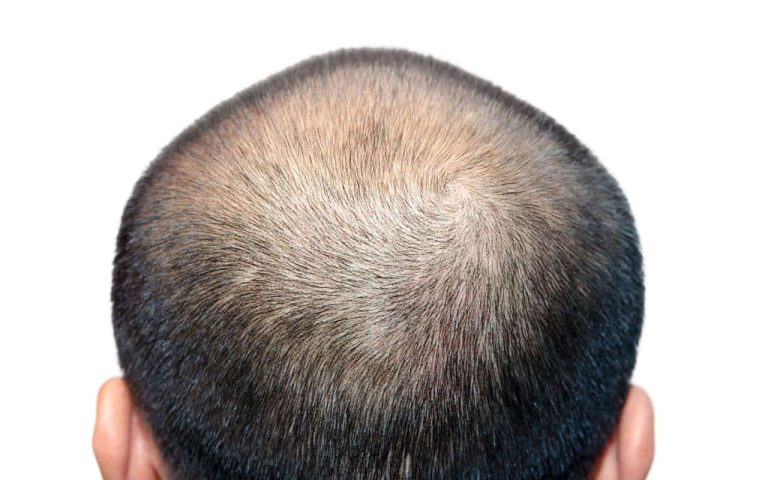
Genetic hair loss has a shape to it. In men it starts at the temples and crown; in women it usually shows as a widening parting with the hairline holding. If you are not sure which you are looking at, our guide to the different types of hairlines walks through the patterns, and the hair loss quiz takes a couple of minutes.
When to see your GP
If your hair is shedding noticeably and you have no family history of pattern loss, see your GP before you spend money on anything. Iron, ferritin, vitamin D and thyroid function are simple blood tests, and a thyroid problem or an iron deficiency is both common and treatable. It is the cheapest step available and the one most people skip.
Are supplements worth it?
If a blood test shows you are short of something, then yes, correcting it is worth it, and your GP can advise on the dose. If your levels are normal, a hair supplement is unlikely to change anything, whatever the packaging says. Be particularly wary of anything promising regrowth.
We do sell our own nutrition shakes, in versions for men and women. They are there to make daily nutrition easier, nothing more. They are not a treatment for genetic hair loss, and we would rather tell you that than sell you a tub on a promise.
If it is pattern hair loss
Then diet is housekeeping, not a solution. The options that do change pattern loss are non-surgical treatment to hold on to the hair you still have, and a transplant to restore what has gone, using hair from the back and sides that is not sensitive to DHT.
A free assessment will tell you which of those applies to you, with a graft count and an exact price, and an honest answer if surgery is not right for you. Book a free video assessment or call 0800 043 0993.
See what your hair transplant could cost
A personalised price and suitability check, with no obligation.
Get A PriceDownload Our Price Guide NowOpens in WhatsApp