Robotic Hair Transplants: What They Actually Do
Robotic hair transplant systems exist, they are in use in some clinics, and they get written about as though a machine is about to replace the surgeon entirely. It is worth understanding what they actually do, because the honest picture is narrower than the marketing.
What a robotic system actually does
It does not perform the transplant. It performs one stage of it.
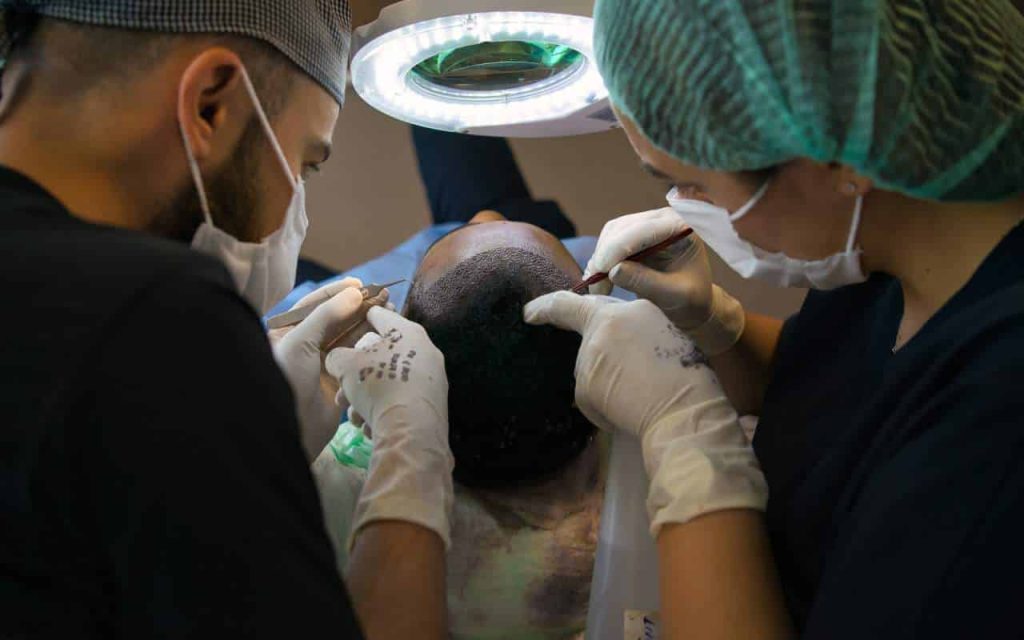
A hair transplant has three parts: harvesting the follicular units from the donor area, creating the recipient sites, and placing the grafts. Robotic systems assist chiefly with the first, using imaging to identify follicular units and a punch to extract them, with a surgeon operating and supervising the machine throughout.
The parts that decide whether the result looks natural are the other two. The angle, direction and density of every recipient site, and the design of the hairline itself, are judgement rather than repetition. That is where a transplant is made to look like hair rather than like surgery, and it is not something a machine decides.
Where the technology genuinely helps
- Consistency during long extraction sessions. A machine does not tire, and harvesting thousands of grafts is repetitive work.
- Imaging and planning. Mapping donor density and modelling coverage before anything is done is useful whether or not a robot is involved.
- Reduced variability in punch depth and angle during extraction.
Where it does not
- Hairline design. A natural hairline is deliberately irregular, softer at the front, and placed to suit your face and your likely future loss. That is an aesthetic decision.
- Deciding what you should have. Whether you are suitable at all, how much donor supply to spend now against later, and whether to treat the crown or the front first are clinical judgements.
- Hair type. Extraction accuracy varies with hair colour, curl and skin contrast, and not every patient suits the technology.
- Cost. The equipment is expensive, and that generally shows up in the price.
Does it produce better results?
There is no good evidence that a robotically assisted transplant produces a better final result than the same procedure done well by an experienced surgical team. What it changes is how one stage is performed, not the outcome you see in the mirror at twelve months.
It is worth being sceptical of any clinic selling the machine rather than the surgeon. The technology is a tool. Results still come down to who planned the procedure, who designed the hairline and how carefully the grafts were placed.
What we use
We carry out both FUE and FUT procedures, performed by surgeons who do hair restoration and nothing else, in CQC registered clinics. Which method suits you depends on your donor area, your scalp elasticity and how much coverage you need, and that is decided after examining your head rather than in advance.
If you want to know what is realistic for your own hair loss, book a free video assessment. Around four in ten of the people we assess turn out to be suitable for surgery, and we will say so plainly if you are not.
See what your hair transplant could cost
A personalised price and suitability check, with no obligation.
Get A PriceDownload Our Price Guide NowOpens in WhatsApp